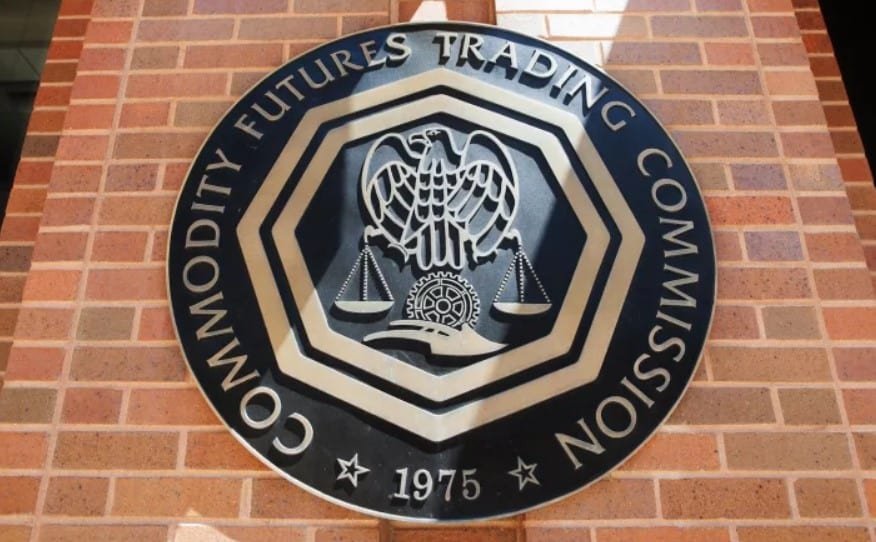
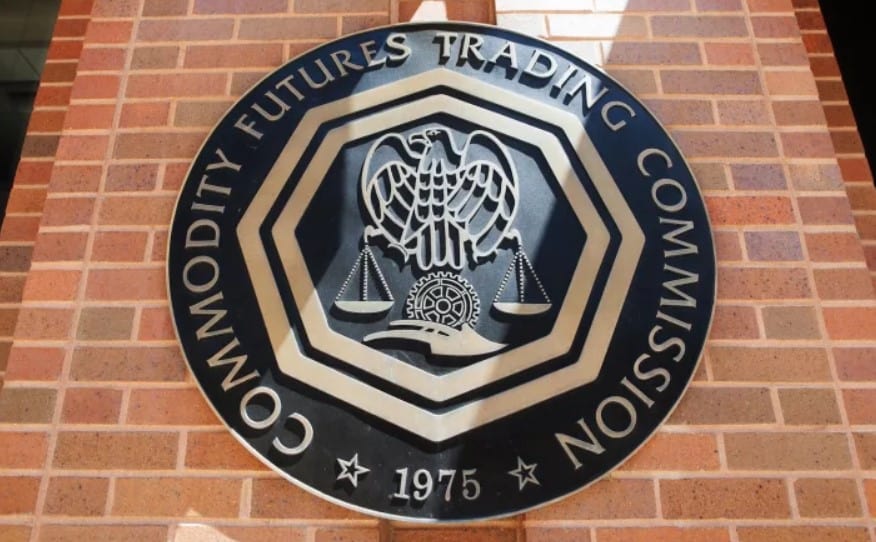
Kalshi may soon face enforcement action from the Commodity Futures Trading Commission (CFTC) due to the manner in which it introduced new contracts on its prediction market platform.
According to Politico, the federal regulator privately warned the company that charges could be filed following allegations that it failed to properly inform the agency of dozens of products it planned to launch.
Are regulatory problems brewing?
The investigation has reportedly been ongoing for months, and while enforcement action may soon be coming, a settlement remains a possibility. Kalshi, however, downplays the problem. Elisabeth Diana, company spokesperson describe the CFTC’s warning as a procedural matter involving the submission of a handful of contracts, many of which had not even gone into effect yet.
She also said the company was already working to resolve the issue. Kalshi maintains that its offerings are traditional derivatives rather than betting, a distinction that is at the heart of the broader debate over how prediction markets should be regulated.
Prediction markets have grown rapidly since the election of Donald Trump. Kalshi and its rival Polymarket announced valuations of $40 billion and $21 billion, respectively. Their growth has been aided in part by a more welcoming approach from the CFTC, particularly under the agency’s current leadership. But this relationship now seems to be complicated. The Kalshi investigation comes as Washington faces growing pressure to take a closer look at the sector.
After their midterm victories, Democrats are preparing for tighter scrutiny in the next Congress, while Polymarket also faces a wide-ranging CFTC investigation. That investigation would include questions about whether the platform violated a 2022 agreement requiring it to block access to U.S. users.
For Kalshi, one of the key issues being explored is the self-certification process used by regulated exchanges to introduce new products. Under this system, exchanges can begin offering new contracts the next day after certifying that they meet CFTC requirements, including rules designed to prevent market manipulation.
They do not need to wait for explicit approval from the agency. However, the process has drawn criticism from major players on Wall Street. CME Group CEO Terry Duffy has previously raised concerns about predictive market contracts which he says could be vulnerable to manipulation. In July, the CFTC also warned operators against using broad language when self-certifying new products.
Numbers Behind Trader Losses
Regulatory issues surrounding prediction markets aren’t the industry’s only concern, as research suggests that making money on these platforms could be more difficult than many retail traders realize. A recent Galaxy Research study examining 2.9 million human-paced accounts on Polymarket found that more than 69% of them finished below the break-even point and traders collectively recorded $338.9 million in losses.
The study analyzed on-chain trading activity, including positions, entry prices, holding periods, and payouts, while excluding accounts considered automated. The median retail account lost around $3, which could mean that most traders suffered relatively small losses, although some lost thousands of dollars.
Galaxy also found that specialist traders were slightly less likely to make profits than those who traded on different topics. Only 28% of specialists achieved a profitable result, compared to 30.4% of general practitioners. To top it off, sports-focused traders performed the worst, while technology and science specialists performed better.
The post Kalshi Could Be in Big Trouble as CFTC Threatens Possible Enforcement Actions appeared first on CryptoPotato.
About the Author