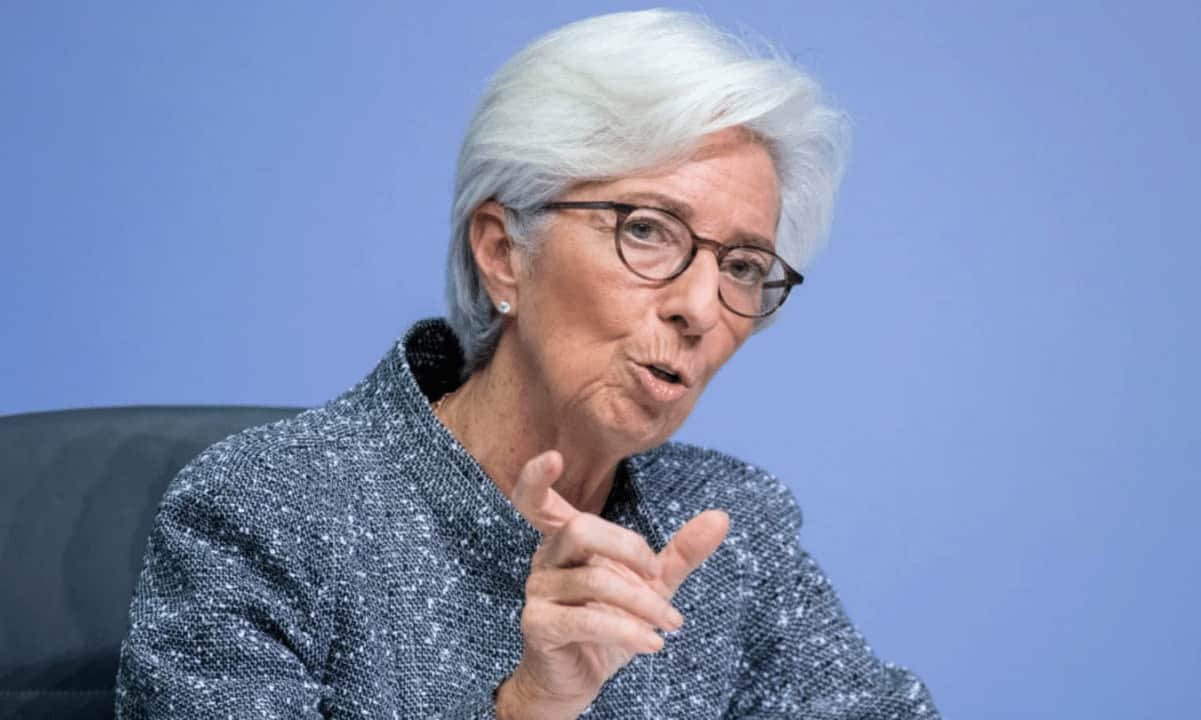
Christine Lagarde personally asked Greek Prime Minister Kyriakos Mitsotakis to block Binance’s bid for an operating license in the European Union, according to a Wall Street Journal report citing people familiar with the discussions.
The intervention came after Greek regulators all but approved the request, raising an obvious question about how much influence the ECB president can exert over a process over which she has no formal authority.
What Lagarde would have known and when she acted
Binance had applied through the Greek Capital Market Commission (HCMC) for a license under the EU crypto-asset markets, the type of approval that, once granted by one country, covers the entire bloc.
At the beginning of June, the application had passed its technical review. The mandatory 40-day assessment period ended without objections, HCMC’s Anti-Money Laundering Officer gave favorable approval and notifications to other member states are reportedly already being prepared.
Then, between June 7 and 15, that changed. An HCMC official later told Binance that Lagarde had opposed the license, and the Journal reported she had reported this directly to Mitsotakis during a meeting in May, a position that overrode Greece’s own finance minister.
According to the report, some of this willingness to accept may have as much to do with the timing of the Greek elections as the case of Binance itself.
His reasoning goes back to two things: Binance’s prior guilty plea to money laundering and U.S. sanctions violations, and fears that allowing the exchange in Europe would push more people toward dollar stablecoins, even as the ECB was trying to get its own digital euro off the ground.
A legal expert described the episode as “political interference” in a licensing decision that legally belongs to an independent national regulator, since the ECB has no formal word on MiCA approvals.
A retreat that ended in France
Reuters first reported on Greece’s risk of rejection in mid-June, and Binance strongly resisted then, insisting that HCMC’s review found its application compliant and pointing to a compliance team that has grown to around 1,500 people since its 2023 U.S. deal.
This reaction did not hold. The company later issued a statement saying it had decided to stop the license application process in Greece and was seeking authorization from other member states.
According to reports at the time, Irish and Latvian regulators had also turned down the exchange, citing its past sanctions and complex structure.
Coinbase had already chosen Luxembourg as its home base, and Kraken already held EU approval, with Binance relying on France, where it has a smaller registration and is in talks with the country’s financial markets regulator, the Autorité des marchés financiers (AMF), in its last chance to obtain a MiCA license covering all 27 member states.
The article Report: ECB President personally blocked Binance’s European license appeared first on CryptoPotato.